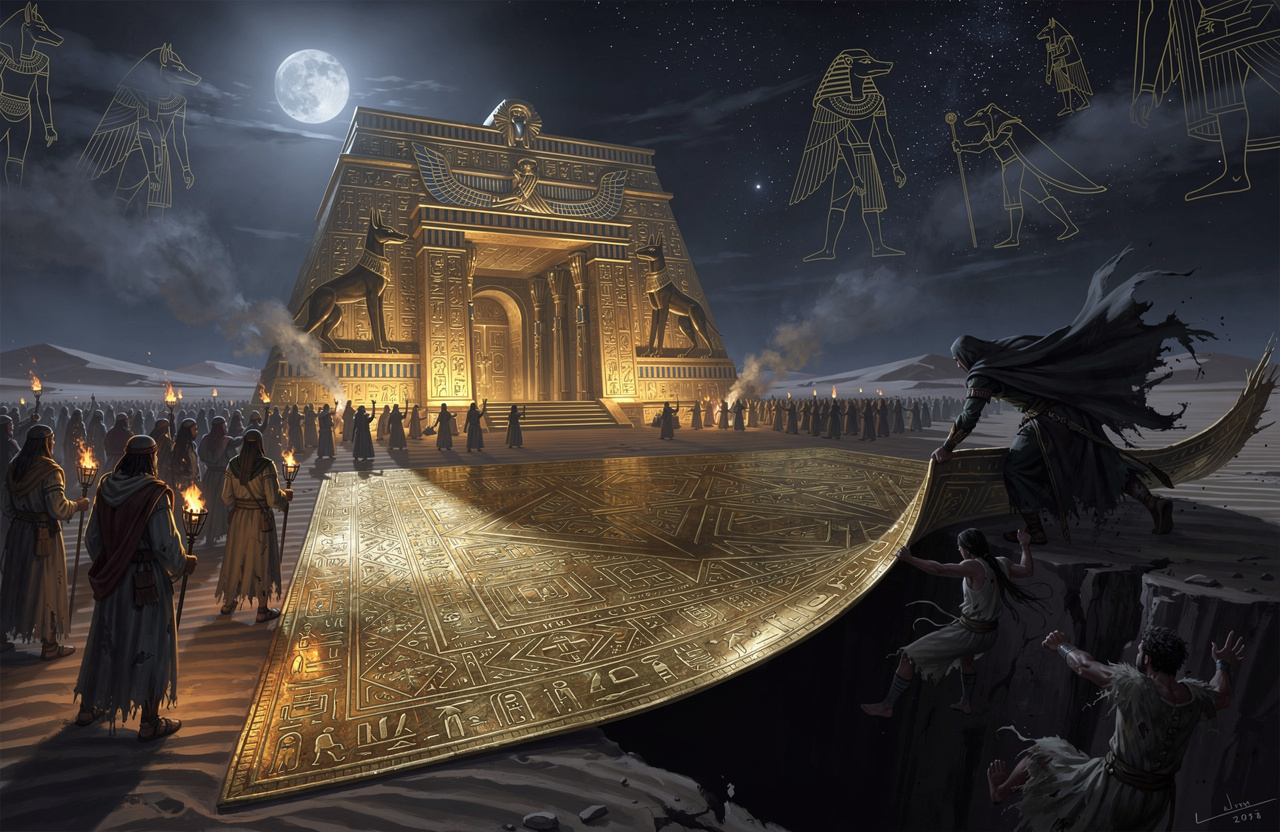
The name comes from the oldest trick in the book: pulling the rug out from under someone standing on it. In crypto it means this — a team launches a token, whips up a crowd, watches the money pour in, and then, in a single transaction, drains everything and vanishes. The website goes dark. The Telegram deletes. The "founders" were never real names. And thousands of people are holding a token that is now, mathematically, worth zero.
Billions have evaporated this way. Not to sophisticated hackers exploiting exotic bugs — to a con so structurally simple that once you see its skeleton, you can spot most of them before you ever send a coin. Rug pulls are not magic. They're a machine with named, findable parts. Today we take the machine apart on the table.
The two families of rug pull
There are two broad kinds, and they fail you in different ways.
The hard rug is coded fraud. The theft is baked into the smart contract from the start — a hidden function that lets the creator drain the pool, mint infinite tokens, or block everyone from selling. It's premeditated in the bytecode. The "launch" is just bait; the trap was always in the code.
The soft rug is an exit scam wearing a smile. The contract may be technically clean, but the team is the fraud. They hype relentlessly, hold a huge share of the supply, wait for the price to climb on borrowed excitement, then quietly dump their entire bag on the market — crashing the price to nothing and leaving with the community's money. Nothing "illegal" happened in the code. The rug was in the intentions.
Both end the same way: they hold the money, you hold the bag.
The mechanics: where the money actually goes
To see the con, you have to understand one concept — liquidity. A new token has no natural price. So the team creates a liquidity pool: they pair their token with something real (ETH, a stablecoin) in a decentralized exchange. That paired-in real money is what lets you sell the token back for something of value. It is the exit door.
Here's the whole hard rug in one sentence: the team keeps the keys to the liquidity pool, waits for you to buy in, then withdraws all the real money from the pool. The moment they pull the liquidity, there's nothing on the other side of your trade. Your tokens still "exist," but there's no ETH left to sell them for. The exit door is gone, and you're still inside.
The honeypot variant is even colder: the contract is coded so that you can buy but can never sell — a hidden owner-only switch, or a fee that becomes 100% on sale. The chart looks like it's only going up, because nobody is allowed to cash out. Then the creator, exempt from their own rule, sells into all that trapped demand and walks.
The infinite-mint variant: an owner-only, uncapped `mint`. They print a billion new tokens, dump them all into the pool for the real money, and your share is diluted to dust in one block.
The red flags, before you ever buy
Every one of these has tells. Read them like logs before you trust the system.
- Locked liquidity — or not. Honest projects lock their liquidity in a time-locked contract, so the team can't pull it for months or years, and they prove it publicly. No lock, or a lock the team controls, means the exit door has a key and they're holding it. This is the single biggest tell.
- Anonymous team, zero accountability. Anonymity isn't proof of fraud — plenty of legit builders are pseudonymous — but an anonymous team plus unlocked liquidity plus a huge insider bag is a loaded machine. There's no one to answer when it fires.
- Concentrated holdings. Check the token's holder distribution on the explorer. If a handful of wallets hold most of the supply, they can crash it whenever they choose. You're not an investor; you're their exit liquidity.
- Can't sell? Honeypot. Before buying meaningfully, test a tiny buy and a tiny sell. If the sell mysteriously fails, you found the trap with pocket change instead of your savings. Free honeypot scanners exist — use them.
- Owner-only mint / no timelock / unverified code. Everything from the contract-reading checklist applies here. An owner who can print, freeze, or drain is a rug pull that simply hasn't fired yet.
- Manufactured urgency. "Buy now, presale ends in one hour, 100x guaranteed." Urgency is the con's oldest lever — it exists to stop you from running the checklist. The rush is the red flag.
Our Record
Look at the shape of it and you'll see it's older than crypto by five thousand years. The rug pull is Isfet in its purest form: the counterfeit that mimics the real thing perfectly right up until the moment of weighing. A rising chart, a buzzing crowd, a promise of abundance — every appearance of Ma'at, of order and honest exchange — hollow at the center, engineered to collapse the instant you commit your Sekhem, your life-force stored as value.
The parasite does not create. It cannot. It can only wear the mask of creation long enough to drain what others built. That is the entire anatomy: a false surface over an empty pool. And this is why the ancient rite weighed the heart — because a heart can lie, and the whole art of Isfet is the convincing surface. The block explorer is your Scales here. It lets you weigh the token's heart — its liquidity, its holders, its code — against the feather of what it claims to be, before you step onto the rug. Weigh first. Never stand on an unweighed floor.
The lever
You do not have to be a genius to avoid rug pulls. You have to be unhurried and you have to check three things. Most victims skipped all three because someone told them to hurry.
Before you send a single coin, run the checklist: Is the liquidity locked, provably, in a contract the team can't touch? Who holds the supply — is it concentrated in a few wallets? Can you actually sell — did a tiny test-sell go through, and is the contract free of owner-only mint, freeze, and drain? Three green lights, or you walk.
And hold the deeper rule above all the tactics: the promise of guaranteed, fast, enormous returns is not the opportunity — it is the bait. Real value doesn't need to rush you. Only the con does. The rug pull's one true weakness is time — every red flag is visible to a patient eye, and the whole machine is built to deny you that patience.
So take it back. Slow down, open the explorer, weigh the heart against the feather. The crowd screaming "you'll miss it" is the sound of the rug being smoothed out beneath your feet. Check the floor before you stand on it — and most of the time, you simply won't fall.